November 4, 2026
What Is a Pump Cover? The Gym Term, Explained by Lifters
What Is a Pump Cover? The Gym Term, Explained by Lifters

A pump cover is a loose, usually oversized top (such as a heavy T-shirt, sweatshirt or hoodie) that lifters wear over their training clothes for warmth, coverage and comfort. The name comes from gym culture: some people take it off once they feel warmed up and have a muscle pump. It is a clothing choice, not a special piece of performance equipment.
What does “pump cover” mean?
The pump cover meaning is simple: it’s a layer you wear over your gym outfit, often at the start of a session or while moving between exercises. It can be a hoodie, an oversized gym T-shirt, a crewneck or another roomy top.
There’s no official design or fabric that makes something a pump cover. An old sweatshirt can do the job. So can a new pump cover shirt made with a boxy fit and heavier fabric. The term describes how lifters use the garment, not a technical category.
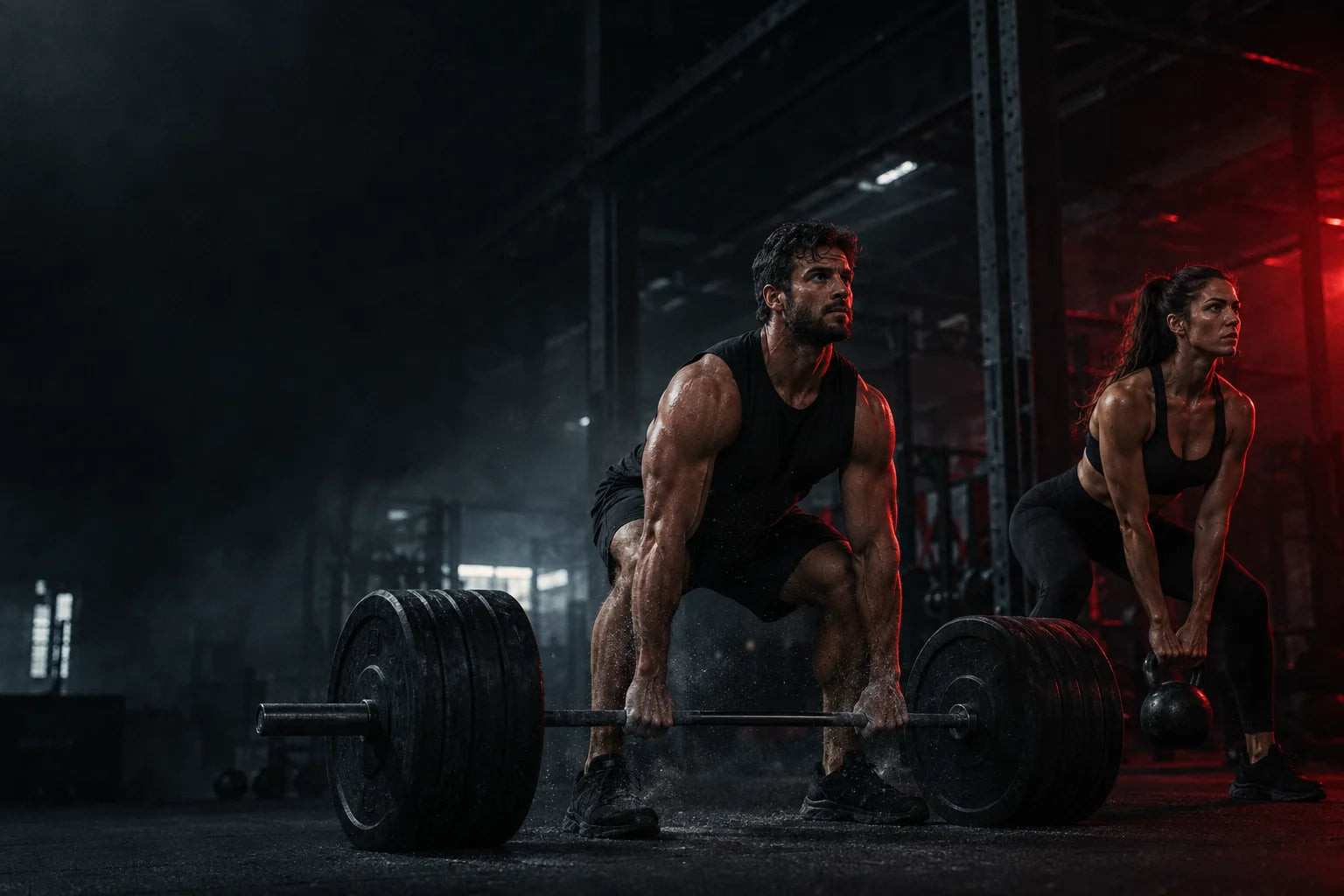
A muscle pump is the temporary fuller feeling and appearance in a working muscle during or after training. A cover doesn’t create that response, and keeping one on won’t preserve the pump itself. Lifters wear the layer for practical reasons, and, sometimes, for the familiar “cover on, cover off” gym ritual.
Why do lifters wear one?
A pump cover can be useful before the first working set and during the trip to the gym. It can also suit the session from start to finish.
- Warmth during warm-ups: A layer can help you stay comfortable in a cold gym or between sets. Remove it if you start to feel too hot.
- Coverage and modesty: A loose top offers more coverage over a tank, sports bra or fitted training shirt. That can help you feel settled and focused.
- Comfort: Some lifters prefer fabric that hangs away from the body rather than clinging as they move.
- Gym-to-street wear: A durable, heavyweight top can work on the commute and beyond the gym, especially in colder weather.
- Personal style: The oversized shape is a familiar part of lifting culture. Some wear it for the look; others simply like the fit.
You don’t have to take it off once you’re warm. If it’s comfortable, doesn’t get in the way and doesn’t cause you to overheat, keep it on. And if you prefer training in a fitted top from the start, there’s no rule that says you need a cover.
When should you wear one, and when not?
Wear one for your commute, warm-up and early sets if you want an extra layer. In winter, it can also be useful on the walk between the gym and your car. In a warm gym or during a hard conditioning session, a thick layer may become uncomfortable quickly. A lighter tee, or no extra layer, may be the better call.
Pay attention to your temperature and how the garment moves. Take it off or switch to something lighter if you’re overheating. And don’t wear anything so loose that it catches on equipment, blocks your view or interferes with a lift. The Gymshark guide to pump covers also describes the term as an oversized layer, rather than one specific garment type.
Pump cover vs. oversized tee vs. hoodie
There’s no strict difference in meaning: an oversized tee or hoodie can both be a pump cover. The practical difference is how warm and heavy each one feels.
| Option | Best for | Things to consider |
|---|---|---|
| Oversized gym T-shirt | Warmer gyms, summer sessions and easy movement | Lighter coverage; choose a sturdy fabric if you want it to hold its shape |
| Sweatshirt or crewneck | A middle ground for cooler warm-ups | Less coverage than a hoodie; check that the hem and sleeves stay out of the way |
| Pump cover hoodie | Cold commutes, colder gyms and extra coverage | Can get hot during hard training; keep cords and loose fabric clear of equipment |
What makes a good pump cover?
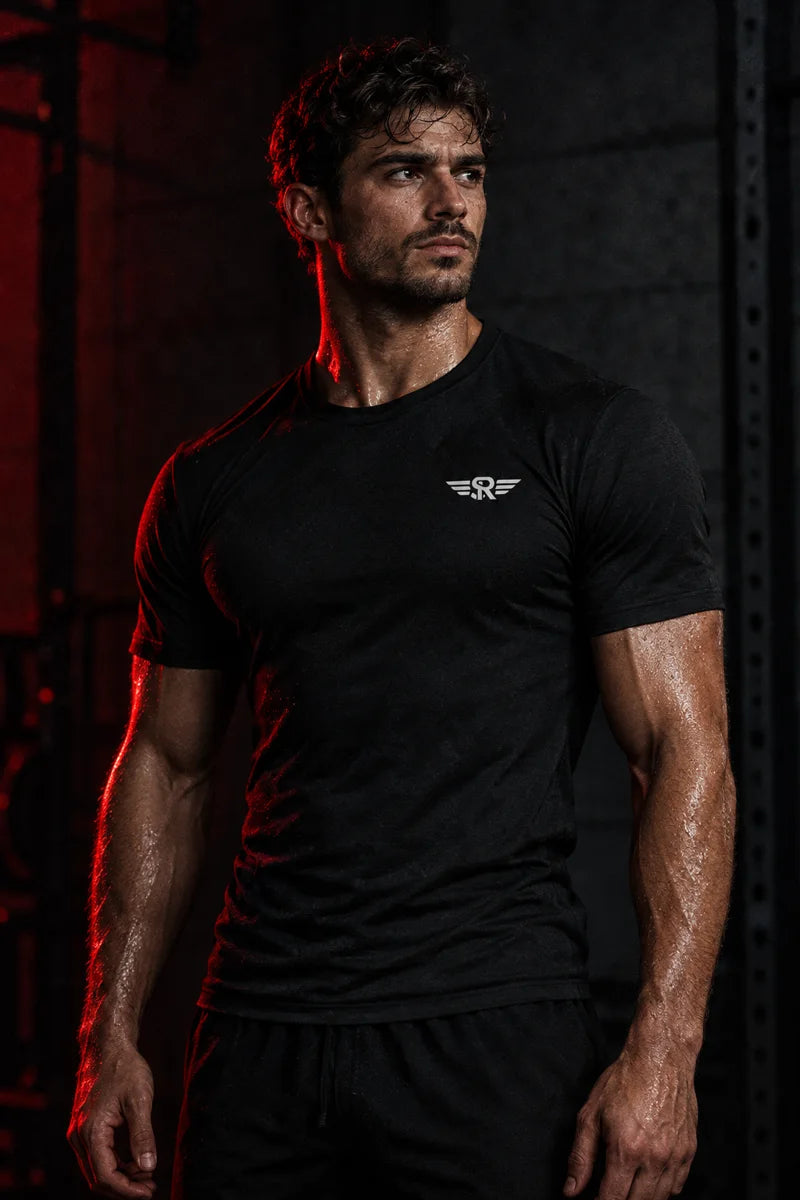
A good gym pump cover is comfortable, durable and roomy without becoming a hazard. Look for a relaxed, boxy shape rather than simply buying the biggest size available. Dropped shoulders and a wide body create an oversized silhouette while keeping the garment’s proportions intentional.
Fabric depends on when you plan to wear it. Heavy cotton or heavyweight brushed fleece can feel substantial and warm, which suits colder sessions and commutes. A lighter cotton or performance blend may work better when you want coverage without as much heat.
Check how the fabric and seams hold up after washing. Follow the care label, and look for clear construction details rather than relying on “heavyweight” alone. If you plan to layer it over another tee or hoodie, leave enough room through the chest, shoulders and sleeves for that extra layer.
Pump cover checklist
| Check | What to look for |
|---|---|
| Shape | Oversized, boxy fit with room across the chest and back |
| Shoulder and sleeve | Dropped shoulder if you want a relaxed look; sleeves that don’t obstruct your grip |
| Fabric | Heavy cotton or brushed fleece for warmth; lighter fabric for hot gyms |
| Length | Enough coverage for your preference, without a hem that catches on a belt or equipment |
| Durability | Fabric, seams and print that suit regular wear and washing |
| Layering | Comfortable over your usual tee or hoodie, if you intend to layer |
How to size a pump cover
Start with the garment’s cut, not an automatic size-up. If it’s already designed to be oversized, your usual size may give you the intended shape. If it’s a standard-fit top, sizing up once can add room, but check the measurements before deciding.
Compare the chest width and body length with a shirt you already like. A wider cut can give you a boxy look without adding excessive length. If you’re shopping across men’s and women’s ranges, use the specific garment measurements rather than assuming sizes translate directly.
Then test the fit with your training movements. Reach overhead, cross your arms, hinge and squat. The hem shouldn’t ride into your way, and sleeves shouldn’t cover your hands or snag on the bar. If you expect to wear it over a hoodie or tee, try it on with that layer underneath.
Pump cover etiquette and gym culture
A pump cover is personal gymwear, not an invitation for comments about someone’s body. Wear it, keep it on or take it off: whatever feels right for your training.
Keep the practical basics in mind: dry off and wipe down benches or machines after use, don’t let excess fabric interfere with a lift or take up more space at a rack, and secure hoodie cords if they could get in the way. In winter, wearing a layer to the car is sensible. Just don’t leave sweaty gear on shared equipment.

The short answer
A pump cover is an oversized layer worn over gym clothes for warmth, comfort, coverage or style. It might be a T-shirt, sweatshirt or hoodie. Choose a fit that gives you room to move, a fabric that suits the temperature and a length that stays clear of your lifts.
For lifters looking for a heavier layer, the Raven Pump Cover Hoodie has an oversized boxy cropped fit in heavyweight brushed fleece, in washed black with a distressed silver raven back print and SR monogram chest. Size down for a closer fit. It launches November 26, 2026, alongside men’s, women’s and accessories. Join the Flock through the product page for launch news. Free shipping is available on orders over $75.